End-to-end system mapping before a single screen is drawn — APIs, org dependencies, and user journeys treated as one model.
6-milestone delivery plans. Decoupled backend dependencies. 2 months saved at AWS. Designers shipping MUI directly at Venafi.
Trust design, agentic workflow patterns, and transparency at scale — for AI products that earn confidence before they ask for it.
Customer panels replacing roadmap opinions. 12K tickets synthesized into priorities. VP-level alignment without losing the user.
30K → 275K console visitors. 58K dev hours saved on a single pivot. 0 → 300 SaaS customers. 66% friction reduction across 18 workflows. The work shows up in numbers.
Unique console visitors at AWS ECS. Was 30K at project start.
Dev hours saved by decoupling one roadmap dependency.
Enterprise customers on Venafi SaaS — launched from zero.
Console friction reduced across 18 workflows, 110 parity items.
“Ruchita ran viewing parties so our VPs could watch real users struggle. That one session did more for roadmap alignment than six months of decks.”
“She synthesized 12K customer tickets into a prioritized roadmap the entire leadership team aligned on. In one session. That’s not a designer skill — that’s executive leadership.”
Every engagement starts with a system audit — not a wireframe. I map what exists, where it breaks, and what business outcome the design must move. At AWS I produced end-to-end journey maps for 18 workflows and 110 parity items before a single new screen was proposed. The framing is the work.
I run customer panels, synthesize support tickets at scale, and host user testing viewing parties with leadership — so roadmap decisions are grounded in real behaviour, not internal assumptions. At AWS I synthesized ~12K tickets and distilled 25 customer interviews to drive 7 UX-led asks into OP1. Data doesn’t just inform the design. It wins the room.
I scope releases in milestones that ship real value and let the org learn in production. At AWS I defined 6 delivery milestones saving ~2 months of schedule under 90% team attrition. At Venafi I structured a Figma→MUI pipeline so designers shipped production components directly. Shipping frugally is not a constraint. It’s a strategy.
The most leveraged design work happens at the API layer — not the UI layer. At AWS I visualized 10+ API touchpoints to influence 2 CloudFormation templates, enabling single-click workflows engineering had previously said were impossible. At Docker I brought FE and BE teams into hi-fi reviews early to model cost tradeoffs before commitments were made.
Misalignment kills products before bad design does. I use journey maps, vision artifacts, and workshop facilitation to create a single shared model across PM, engineering, and leadership. At Docker I reduced 10 competing PRDs to 5 prioritised initiatives in a single quarter through structured empathy mapping. Alignment is a design deliverable.
Hybrid Cloud with ZeroStack
Migrating VMWare vSphere and AWS workloads into ZeroStack
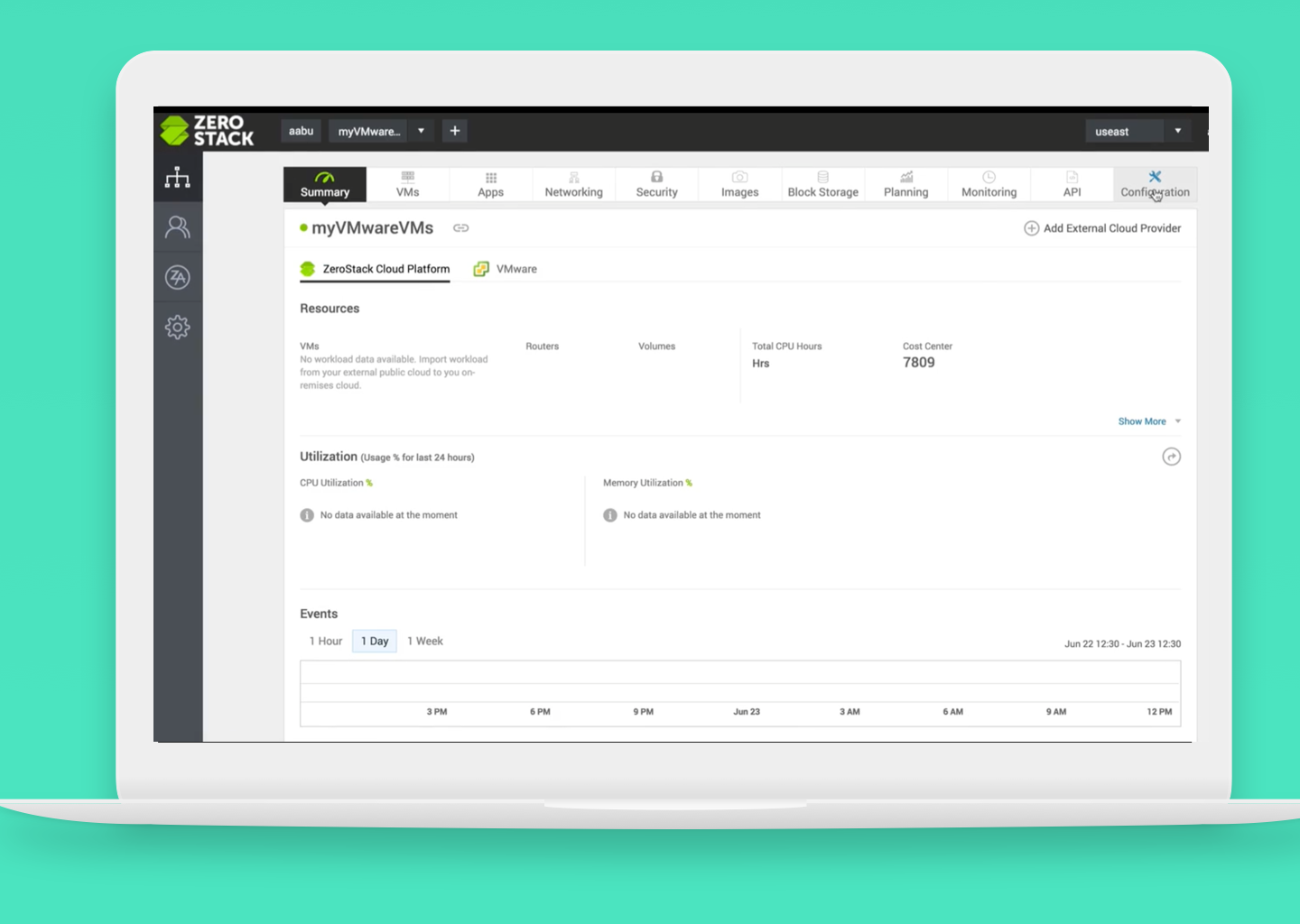
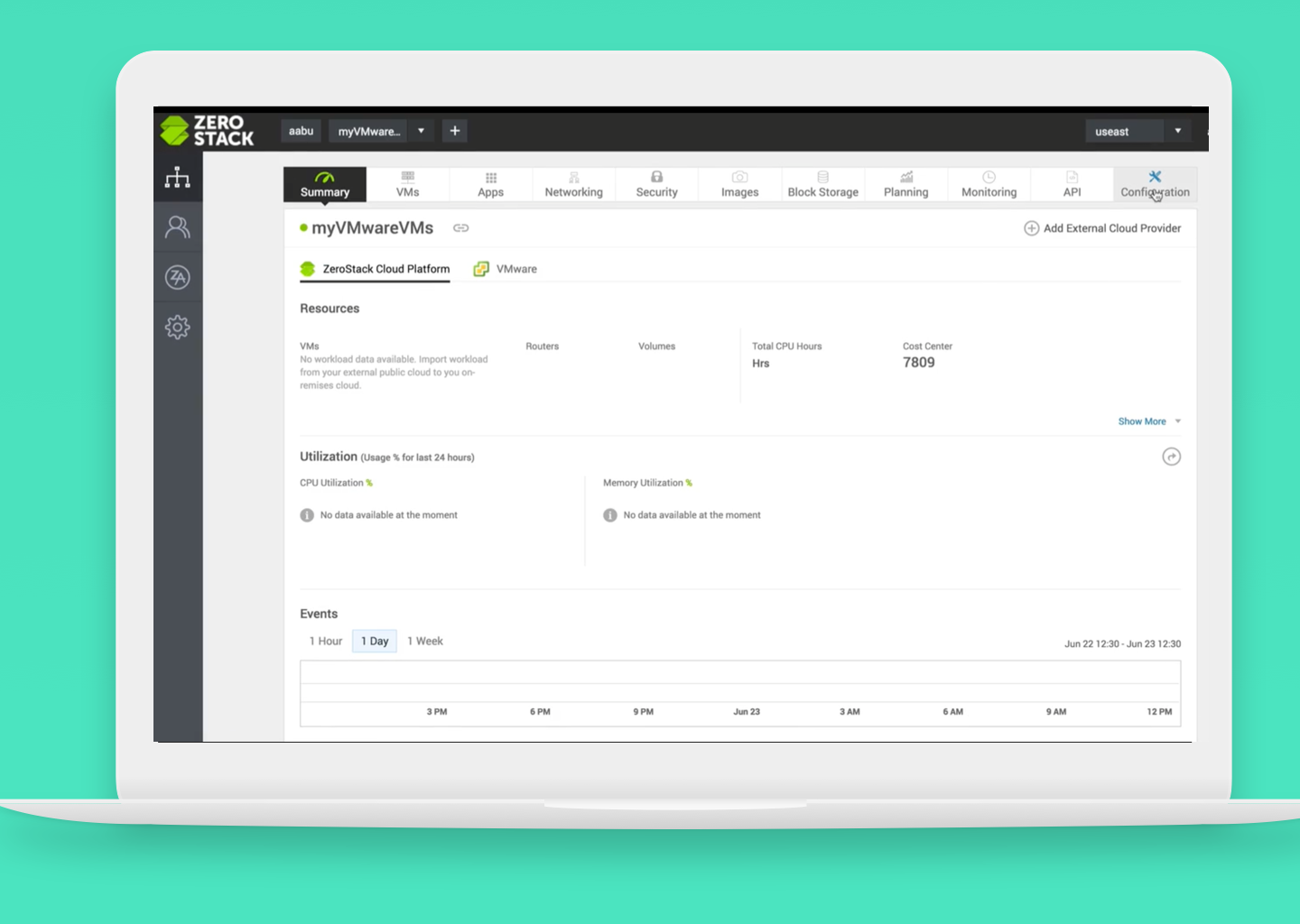
ZeroStack Cloud Platform needed an end-to-end solution for hybrid cloud solutions for OpenStack-based clouds. AWS and VMware migration feature provides end users flexibility and enables them to migrate applications from their private and public cloud infrastructure. Since this was planned to be showcase feature at OpenStack Summit and had lot of marketing dollars riding on the implementation, we had to complete it within the short time span of 6 weeks.
Delivered a complex piece of workflow for our partner ecosystem within a record time of 6 weeks
The solution was used by sales team to gain 10 potential sales interests requests (POC) at OpenShift Summit.
Hi-fi version of initial user journey
I collaborated with the stakeholders to create detailed task analysis for the minimum viable product. We white boarded the journey map for this solution together with product and engineering team. The following is a high fidelity version of the white boarding exercise:
Collaborating on task analysis helped identify cohesive workflow and uncover major decision points for the main persona of cloud administrator. We iteratively whiteboarded several solutions to quickly sketch the UI. Whiteboarding the scenarios and collaborating on the solutions with stakeholders helped in uncovering the following aspects:
UI interface aspects for cohesive customer journey
Creating MVP stories for the UI team
API team was able to provide inputs and understand the needs for the end users. Helped in reducing the turnaround time involved in communicating between API and UI development team.
After several iterations, reviewing alternative solutions, and brainstorming with the stakeholders, we came with this solution that did not break existing UI pattern and allowed us to leverage our UI widgets (thus reducing the time to ship without compromising on the user experience).
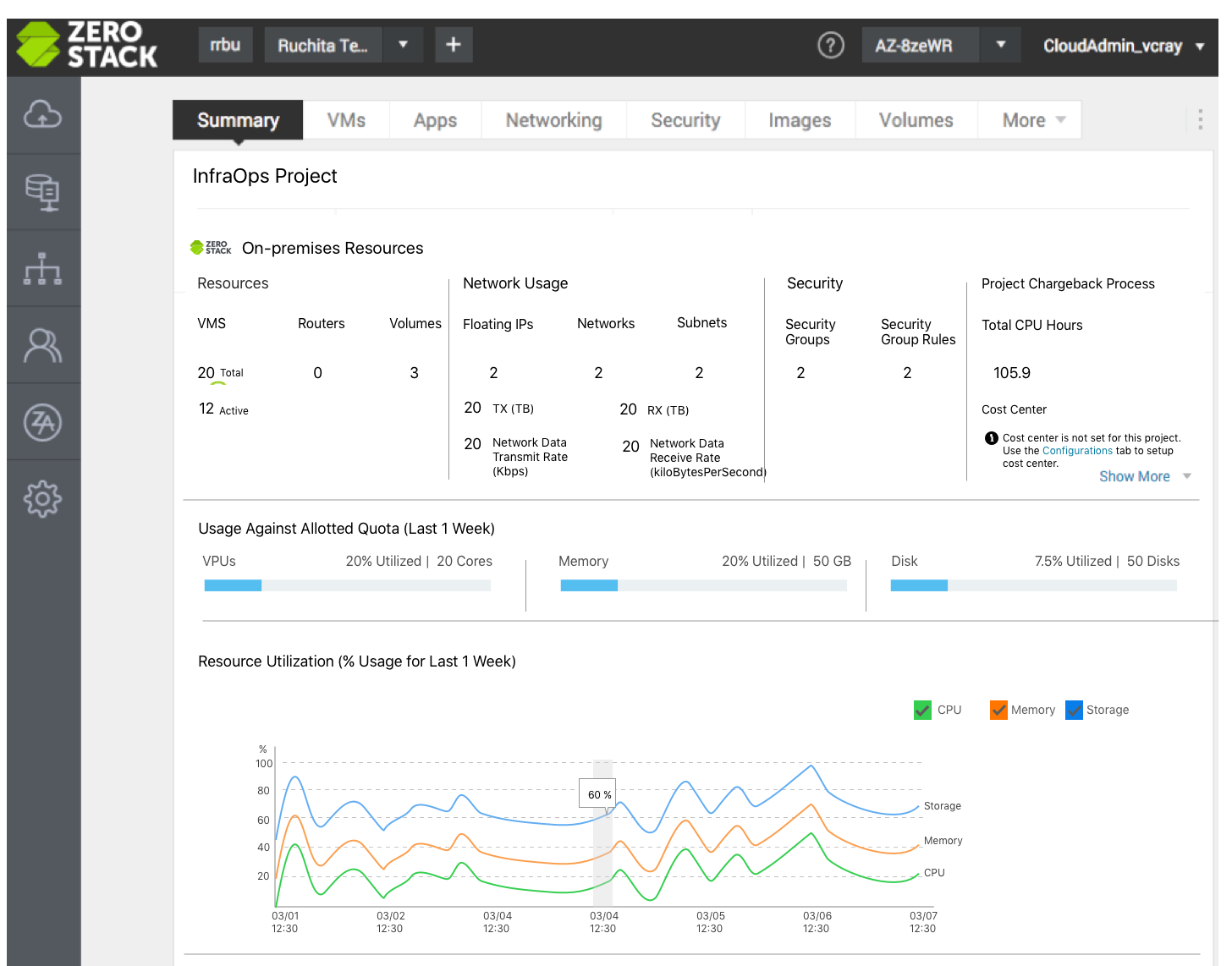
Other challenging problem that required constant communication from design team was centered around the APIs that impacted the UI. I ensured that I was constantly testing the latest build, verifying the JSON files generated by our REST APIs and questioning our platform engineering team, product managers, about whether what we show on the UI is relevant to our persona Cloud administrator. The screen for confirming migration settings went through multiple iterations to get the minimum lovable product ready within a record time of 6 weeks. The following screens show options that allow users to configure the migration for each VM, view progress, and manage project dashboard.
I mocked the hi-fidelity designs in Sketch and collaborated with the team to get quick reviews. I worked with the UI team on multiple iterations for UX acceptance testing. This involved, checking out the latest build, validating it with our REST APIs, tweaking the HTML changes using peer design and development with the UI team. I introduced story-based narrative to capture all interactions while delivering designs to the development team. This helps in staying focussed to the needs of end-user persona and also allows to capture details of workflow, edge cases, and other details for the UI team.
With the iterative and highly collaborative UX-dev processes (including lots of pizza, weekends spent with the amazing high-energy people, and lots of coffees later), we were able to:
Generate leads 20% more leads when the feature was part of the highlights at OpenStack Austin Summit. We accomplished feature completion within a record time of 6 weeks.
UX acceptance testing reduced 30% reduction in UI and backend bugs.
Validated APIs and UI results with the platform engineering team, reducing engineering churn.